Account Takeover in Online Casinos
How online casinos detect account takeover: credential stuffing, deposit fraud signals, and the response steps that stop withdrawals before they clear.
Read more: Account Takeover in Online CasinosStay informed with our latest blog posts.

How online casinos detect account takeover: credential stuffing, deposit fraud signals, and the response steps that stop withdrawals before they clear.
Read more: Account Takeover in Online Casinos
Coordinated bonus abuse rings exploit iGaming promotions through shared infrastructure and scripted behavior. Learn how fraud teams detect and stop them.
Read more: Bonus Abuse in iGaming: Detecting Coordinated Rings
Affiliate fraud in iGaming takes three forms: domain typosquatting, brand bidding, and fake traffic. Detection signals and enforcement options for each.
Read more: Affiliate Fraud in iGaming: Detection and Prevention Guide
APT29's CaptiveCrunch campaign hijacks hotel Wi-Fi captive portals to deliver the CornFlake RAT and steal MFA-protected credentials. Here's how it works and the one fix that actually stops it.
Read more: The Hotel Wi-Fi Trap: How Russian Spies are Weaponizing Captive Portals (And Why You Should Stick to 5G)
A Bluetooth glitch led to an unexpected discovery: AliExpress runs silent WebAudio processing as part of a browser fingerprinting anti-fraud system. Here's what was found and what it means for security and privacy.
Read more: AliExpress Is Using Silent WebAudio to Fingerprint Your Browser
Online puppy scams use stolen photos, fake breeders, and endless "fees" to steal your money and break your heart. Here's exactly how the trap is set and the one rule that protects you.
Read more: Fake Paws, Real Scams: How to Spot and Avoid Online Puppy Scams
UAC-0099 is hijacking trusted apps like Notepad++ and WinRAR through malicious plugins and DLL sideloading. Here's the full infection chain, based on CERT-UA's technical advisory.
Read more: UAC-0099 Weaponizes Notepad++ and WinRAR Plugins to Deliver Malware
Days after the Coldcard entropy vulnerability went public, a phishing campaign impersonating Coinkite began tricking users into installing remote access malware disguised as a hardware audit tool.
Read more: From Exploit to Phishing: How Attackers Weaponized the Coldcard Entropy Incident
Gift card and crypto scams work because attackers borrow someone else's identity: a celebrity, an investment manager, even a loved one's voice. Here's how the impersonation angle actually plays out.
Read more: How Impersonation Fuels Gift Card and Crypto Scams
A malicious Google Ad leads to a real chatgpt.com link, where a fake "Codex" install command hides a base64 payload that drops the MacSync infostealer. Here's the full chain.
Read more: How a Real ChatGPT Link Delivers Phishing via a Fake Codex Install
Scam-style extortion is rising: attackers post fake data breach claims on leak sites with no real intrusion. Here's how the bluff works and how to verify before you panic.
Read more: Fake Data Breach Claims: Why Scam-Style Extortion Is Surging in 2026
The Vatican's Click to Pray app leaked the personal data of 700,000 users for over six months through a basic IDOR flaw. Here's how sequential user IDs and zero auth checks did the damage.
Read more: Click to Pray Exposes 700k Users: Inside a Textbook IDOR Failure
A firmware bug silently weakened seed generation on Coldcard hardware wallets, letting an attacker recreate and drain vulnerable wallets at scale. Here's how the entropy failure worked.
Read more: A Hard Lesson in Randomness: Understanding the Coldcard Entropy Incident
How multi-accounting detection works for chip dumping in poker, gnoming, and iGaming fraud, and how platforms actually catch coordinated account schemes.
Read more: Multi-Accounting Detection: Stopping Gnoming and Chip-Dumping
Gaming fraud prevention goes beyond iGaming: in-game currency abuse, account trading, and esports match-fixing all need a different detection approach. Here's how they compare.
Read more: Gaming Fraud Prevention: How It Differs From iGaming Across Platforms
iGaming operators face fraud that standard payment tools aren't built to handle. This guide covers how detection, takedowns, and enforcement actually work and what to look for in a solution.
Read more: iGaming Fraud Prevention: Detection, Enforcement, and What Actually Works
A self-propagating npm supply chain attack compromised keyv and 444+ packages with 2B+ monthly installs. Here's how Shai-Hulud works, why provenance checks aren't enough, and what security teams should do now.
Read more: Shai-Hulud Returns: The npm Supply Chain Worm Turning Stolen Credentials Into New Infections
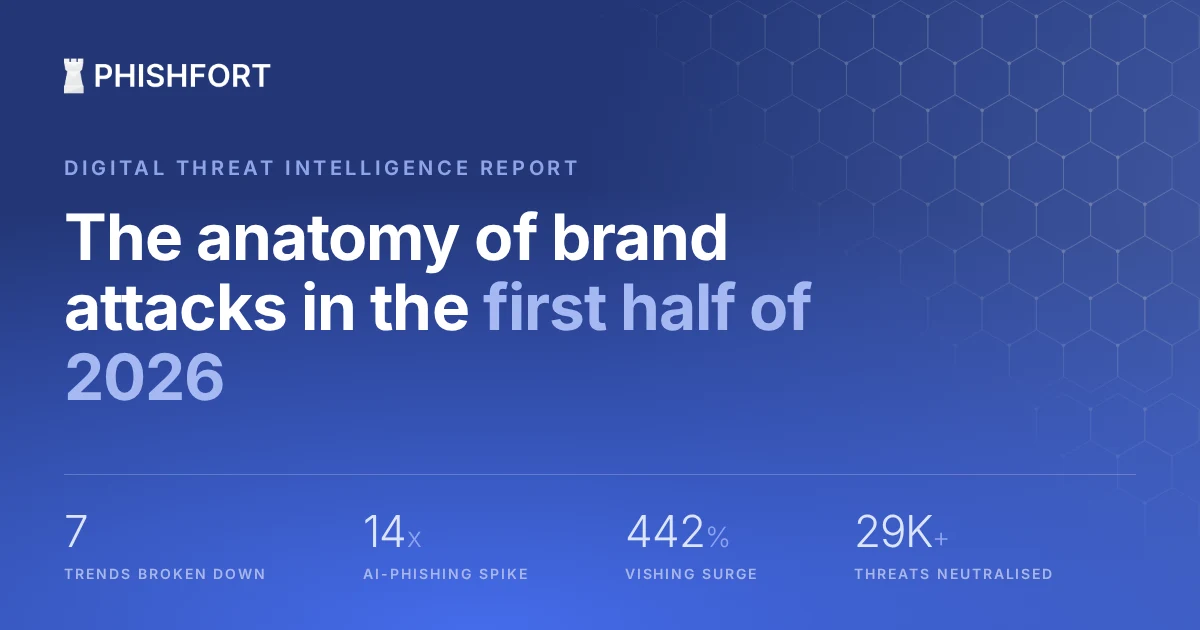
Seven shifts in phishing and brand impersonation tracked in real time across the first half of 2026, benchmarked against the industry's leading threat research.
Read more: The Anatomy of Brand Attacks in the First Half of 2026
What digital risk protection (DRPS) services and tools actually do, how they work, real use cases with results, and how to choose the right provider.
Read more: Digital Risk Protection Services & Tools: The Complete 2026 Guide
Why executive monitoring has become essential as attackers increasingly target leadership identities through impersonation, deepfakes, and social engineering.
Read more: Executive Monitoring: Why It's Now Business-Critical
What the DMCA protects, how the takedown process works, the most common infringement scenarios, and how to file a notice that actually gets action.
Read more: DMCA Takedown Guide: What It Is & How to File One
Discover the hidden dangers of browser extension security risks. Learn how attackers use buy-and-infect tactics to compromise your data and how to stay safe.
Read more: 7 Critical Browser Extension Security Risks: How to Stay Safe in 2026
Fake domains and counterfeit apps evade brand protection because scans run on a schedule. Here's why continuous monitoring closes that gap.
Read more: Why Fake Domains and Counterfeit Apps Evade Brand Protection
Cloudflare Drop needs no account to publish a live site. See how trusted CDN abuse on Cloudflare, Vercel, and Netlify is fueling phishing and malware.
Read more: How Cloudflare Drop Turned Trusted CDNs Into Phishing Hosts
Hackers used a fake SpaceXAI-affiliated badge to hijack SpaceX and Starlink's X accounts in a social media account takeover that fueled a $125K rug pull.
Read more: SpaceX & Starlink X Hack: How Verified Badge Abuse Happened
FBI-confirmed: Russian intelligence actors are phishing Signal users for Backup Recovery Keys. How the scam works and how to respond.
Read more: Signal Recovery Key Phishing Scam: How It Works, What to Do
Multimodal AI jailbreak attacks now use images, not text. Learn how visual prompt injection bypasses AI guardrails, and how to stop it.
Read more: Multimodal AI Jailbreak Attacks: The Image-Based Threat to Enterprise AI
SolarisLoader kills antivirus via a vulnerable driver, patches AMSI/ETW, and persists in three layers. Full attack chain and IOCs inside.
Read more: SolarisLoader Malware Analysis: Attack Chain & IOCs
Compromised smart home devices route attack traffic through legitimate residential IPs — bypassing your perimeter controls. Here's how it works and what stops it.
Read more: IoT Botnet Residential Proxy Risk for Enterprise Networks
Threat actors are using sites.google.com to host fake Workspace portals that deploy infostealers and crypto drainers. Here's how the attack works.
Read more: Google Sites Phishing: How Attackers Abuse Trusted Infrastructure
When a DeFi protocol gets hacked, fake revoke sites appear within hours. Here's the exact attack sequence threat actors use—and how to shut it down.
Read more: DeFi Phishing After a Protocol Hack: How Threat Actors Steal Smart Contract Permissions
The PhishFort client dashboard is now a Progressive Web App. Install it to your desktop, tablet or phone home screen and get a faster, mobile-ready view of your brand protection, no app store required.
Read more: Your PhishFort dashboard is now an app: install it in one click
Fraud has nearly tripled in a decade and is now the #1 CEO cyber concern. Join PhishFort for a live, data-driven briefing on what the numbers mean for your organization.
Read more: Webinar: The Economic Impact of Phishing
PhishFort researchers identified multi-stage fake FIFA ticketing sites harvesting credentials, PII, and payment data. Here's how the infrastructure works and what to monitor.
Read more: FIFA World Cup 2026 ticketing scams
Staged phishing infrastructure, fake betting apps, and social media impersonation campaigns are live before June 11. Here's how threat actors are targeting gambling brands — and how to respond.
Read more: The FIFA World Cup 2026 Is Already a Brand Threat — Especially If You're in Gambling
How attackers bypassed Meta's AI support with a 30-word prompt and took over the White House Instagram, and what it means for your security architecture.
Read more: AI Account Takeover: When a Helpful Chatbot Becomes a Security Risk | PhishFort
Compare three models for phishing domain takedowns: in-house program, per-incident service, and managed service. Decision criteria, process steps, and outcome metrics for security teams.
Read more: In-House vs Outsourced Phishing Domain Takedowns for Banks
This guide will walk you through what a DMCA takedown process consists of, why it's important to organizations, and how to begin the process.
Read more: DMCA Takedown Process: Mastering the Steps to Success
Threat actors are abusing legitimate Microsoft OTP and MFA notification systems to bypass SPF, DMARC, and traditional email defenses. Learn how this phishing attack works and how to defend against it.
Read more: Microsoft OTP Phishing Attack: How Threat Actors Abuse Trusted Alerts
Learn how the Google Workspace invite phishing attack works, how attackers abuse Google Sites for credential theft and malware delivery, and how to prevent account takeover attacks.
Read more: Google Workspace Phishing Attack: Compromised Accounts & Cross-Platform Malware | PhishFort
Learn how to prevent AI agent sprawl through governance, least-privilege access, observability, and secure agent management before autonomous systems become a major security risk.
Read more: How to Prevent AI Agent Sprawl Before It Becomes a Security Crisis
Learn how businesses protect paid ads from scams, fake domains, phishing campaigns, and malicious impersonation attacks across social and ad platforms.
Read more: How do Businesses Protect Paid Ads From Scams: The Rising Cost of Trusting Your Feed
A major supply chain attack compromised dozens of WordPress plugins through hidden backdoors, SEO spam cloaking, and blockchain-based command infrastructure.
Read more: The Invisible Infestation: Dozens of WordPress Plugins Backdoored
This article breaks down the 'VIP Upgrade Crypto Scam,' a modern advance-fee fraud that uses psychological tactics like the sunk cost fallacy to drain victim funds. Learn the red flags and protect
Read more: Anatomy of a VIP Upgrade Crypto Scam
Learn how phishing domain takedown services reduce fintech fraud, stop fake domains, and overcome evasion tactics with measurable results.
Read more: Phishing Domain Takedown Services: 7 Powerful Insights for Fintech
The malware takedown process is complex and often misunderstood. Learn how malicious domains operate and how to improve takedown success rates.
Read more: Malware Takedown Process: The Nuance of Removing Malicious Domains
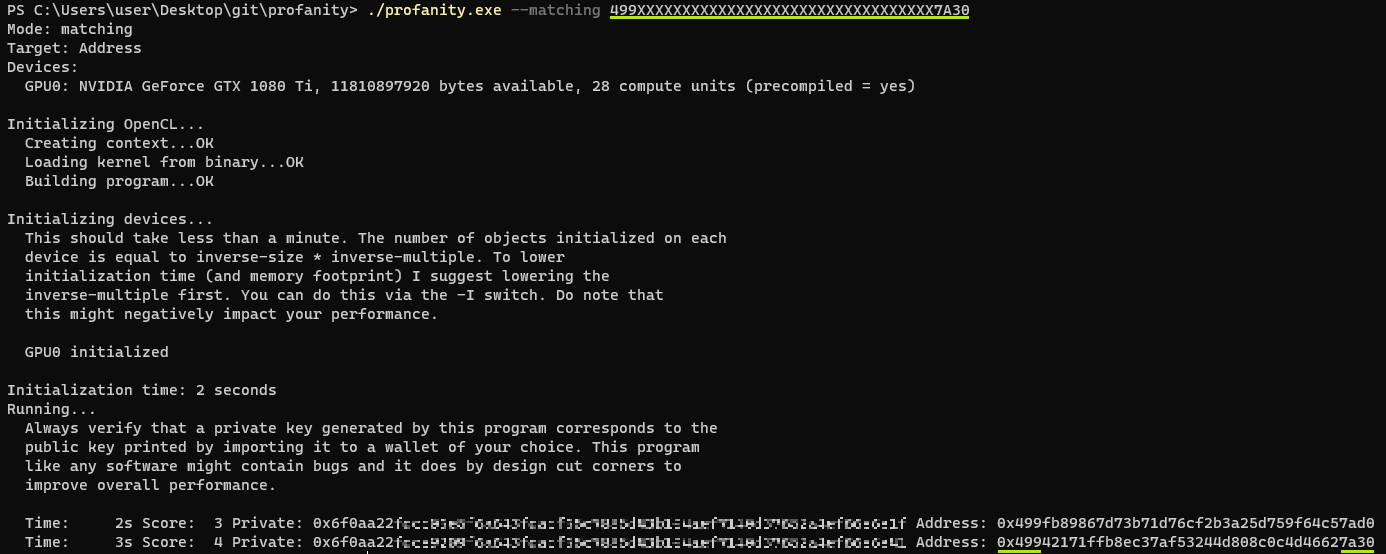
Seed phrase scams are targeting hardware wallet users with pre-filled recovery phrases. Learn how these attacks work and how to protect your crypto assets.
Read more: Seed Phrase Scam: 3 Critical Mistakes That Can Cost You Your Crypto
Online gambling scams are rising across fake casinos, apps, and ads. Learn the top attack vectors in 2026 and how to detect and avoid betting scams.
Read more: Online Gambling Scams: The 5 Most Dangerous Attack Vectors in 2026
A fake Ledger app bypassed Apple’s App Store review last week. Discovered by PhishFort, this phishing scam shows how fake crypto apps steal funds — and how to avoid them.
Read more: Ledger Scam (April 17): $9.5M Stolen via Fake App — Flagged and Taken Down by PhishFort Analyst
AI threat intelligence reveals how agent-based systems introduce new risks through malicious skills, typosquatting, and over-permissioned access. Learn how to secure them.
Read more: AI Threat Intelligence: When AI Agents Become a Security Risk
Residential proxy abuse is rising as attackers hijack home networks to hide cybercrime. Learn how it works and how to protect your connection.
Read more: Residential Proxies Alert: How Attackers Hijack Home Networks
Open source supply chain attacks are targeting developers and maintainers to compromise downstream applications. Learn how these attacks work and how to protect your code.
Read more: Open Source Supply Chain Attack: Why Developers Are the New Target
Living off the land attacks use trusted platforms like Google Sites and Vercel to host phishing scams. Learn how they work and how to stay safe.
Read more: Living Off the Land Attack: How Trusted Platforms Are Fueling Phishing
Fake investment platforms are a new form of phishing where attackers impersonate financial firms to steal data and funds. Learn how they work and how to detect them.
Read more: The New Face of Phishing: Fake Investment Platforms
Browser extension security risks are rising due to supply chain attacks. Learn how trusted extensions turn malicious and how to protect your browser effectively.
Read more: The Trojan Horse in Your Browser
Is a Chrome extension phishing draining your data? Learn how rogue extensions bypass security and discover ways to protect your browser from supply chain attacks.
Read more: Chrome Extension Phishing: 7 Deadly Risks You Must Stop Now!
Explore our comprehensive LiteLLM breach analysis to uncover lessons for securing your AI supply chain and mitigating modern LLM security risks.
Read more: AI Supply Chain Security: Lessons from the LiteLLM Breach
Protect your business with elite brand protection services. Learn how to stop phishing, retail scams, and digital impersonation with our 2026 expert guide.
Read more: Brand Protection Services to Stop Digital Impersonation Today
Stop falling for the latest MEV arbitrage scam. Learn how AI-driven social engineering drains DeFi wallets and how to protect your assets today.
Read more: 7 Signs of an MEV Arbitrage Scam: Protect Your DeFi Wallet Now
Country-code TLDs present unique takedown challenges due to fragmented governance, varying policies, and jurisdictional complexity. Learn how to classify ccTLDs and adapt your strategy.
Read more: ccTLD Takedown Guide: Country-Code Domain Removal | PhishFort
Worried about LNK files malware? Learn exactly how these malicious shortcuts operate, how to spot them on USBs, and steps to secure your PC against LNK attacks.
Read more: 7 Deadly Signs of LNK Files Malware: How to Stop Shortcut Attacks
Understand the mechanics of modern phishing kits. Learn how they leverage automation to scale attacks and why proactive detection is the only defense.
Read more: Phishing Kits: The 2026 Guide to Identifying and Neutralizing Modern Threats
Protect your crypto wallet from 17 critical DeFi threats. PhishFort and 1inch cover phishing, social engineering, malware, and on-chain risks with proven defenses.
Read more: How to Protect Your Crypto Wallet: 17 Essential DeFi Security Strategies for 2026
Join this live technical webinar to learn why domain-related takedowns often fail, what actually works, and how organizations can respond faster and more effectively.
Read more: Webinar: Stop Whack-a-Mole Enforcement
Get the latest supply chain attack news. Analyze the 2026 surgical strikes on Notepad++ and EmEditor, and learn how to defend your brand's external perimeter with Phishfort.
Read more: Supply Chain Attack News: When Trust is the Trojan Horse
An executive guide to modern brand protection against logo infringement. Learn how PhishFort uses AI-driven digital risk protection to detect and take down fraudulent assets at scale.
Read more: Logo Infringement: The Executive Guide to Modern Brand Protection
Stop online fraud before it scales. This comprehensive guide reveals how to identify automated fake shops and the exact steps to protect your brand's digital footprint.
Read more: The Definitive Guide to Detecting Fake Shops: 10 Expert Strategies for 2026
Navigating the job market in the Web3 and blockchain space has become a digital minefield. Learn how threat actors use fake recruitment agencies to deliver malware.
Read more: Why You Need a List of Fake Recruitment Agencies: Lessons from a Web3 Malware Attack
The rise of digital asset theft has birthed a secondary, equally predatory industry: the crypto asset recovery scam. Learn how to identify legitimate recovery companies and avoid falling victim twice.
Read more: Crypto Asset Recovery: How to Identify Legitimate Companies vs. Scams
In the hyper-connected landscape of 2026, your brand is more than just a logo. Learn how enterprise-grade brand protection tools can neutralize digital threats.
Read more: Brand Protection Tools: The Definitive Guide to Neutralizing Digital Threats in 2026
Learn how domain spoofing undermines brand trust and discover five critical strategies to protect your organization from cyber-impersonation attacks in 2026.
Read more: Domain Spoofing: 5 Critical Ways to Protect Your Brand Identity
In the high-stakes ecosystem of Web3 and venture capital, understanding social engineering is crucial as meeting requests become routine.
Read more: Social Engineering: The 'Can You Hear Me?' Trap Explained
Digital risk protection is essential for organizations facing AI-driven threats in 2026. Explore key cybersecurity trends and recommended actions to reduce external risk.
Read more: Digital Risk Protection in 2026: Key Cybersecurity Trends and Recommended Actions
Learn the effective domain takedown strategy for all abuse scenarios: from brand squatting to active phishing. Understand registrar reluctance, the role of domain age, and how to approach DNS abuse mitigation for new versus compromised sites.
Read more: Compromised Site Takedown Strategy | PhishFort
Fake login pages are a common phishing tactic used to steal credentials. Learn how fake login pages work, their risks, and how to reduce exposure.
Read more: Fake login pages: how attackers exploit trust
Fake mobile apps put users and brands at risk. Learn how fake mobile apps are created, detected, and removed with digital risk protection services.
Read more: Fake Mobile Apps Alert: 6 Powerful Ways to Stop App Store Impersonation
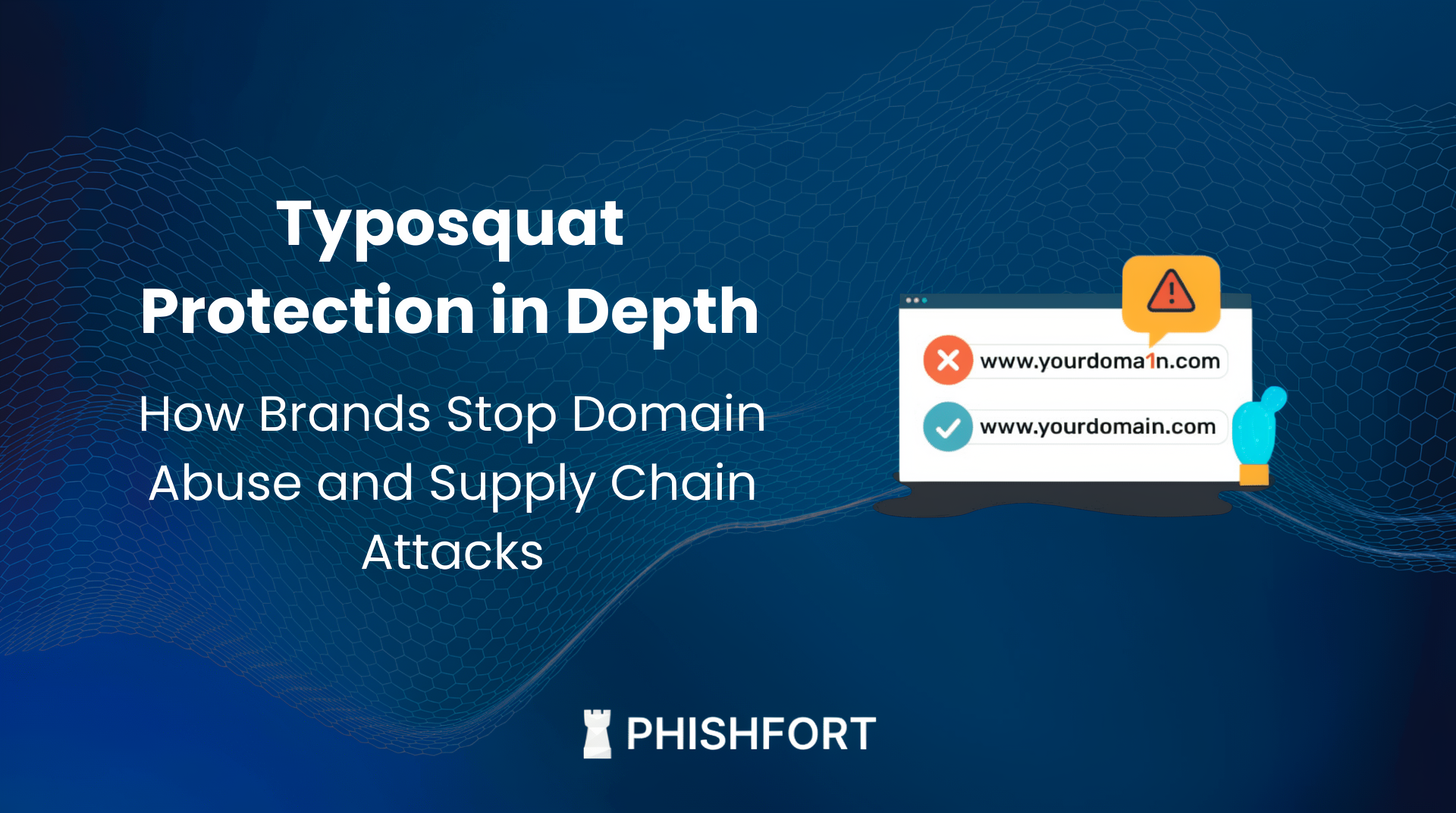
Typosquat protection helps brands detect lookalike domains and prevent phishing. Discover how Typosquat Protection Explained can safeguard your organization.
Read more: Typosquat Protection in Depth: How Brands Stop Domain Abuse and Supply Chain Attacks
Social media takedown services help brands detect and remove scams, impersonation, and fraud across social platforms before users are impacted.
Read more: Social Media Takedown Guide: How to Remove Fake Accounts Fast
How to avoid holiday scams by learning real examples of phishing emails, fake delivery messages, and fraudulent holiday deals used by scammers.
Read more: How to Avoid Holiday Scams: 5 Powerful Examples That Expose Seasonal Fraud
A fake social media profile can be used for scams, impersonation, and fraud. Learn how these profiles work and why they are a growing threat.
Read more: Fake Social Media Profile Risks: How Brands and Users Get Impersonated
Fake domain threats are rising fast. Learn how fake domains are created, detected, and removed using modern DRPS tools.
Read more: Fake Domain Exposed: 7 Critical Risks Brands Can't Ignore
DRPS tools help organizations detect, monitor, and remove online threats in real time. Learn how modern DRPS tools protect brands, users, and digital assets.
Read more: DRPS Tools Explained: 7 Powerful Ways to Stop Digital Threats Fast
Social media impersonation is increasing across major platforms. Learn how impersonation on social media works, key statistics, and how brands reduce risk
Read more: Social Media Impersonation Explained: Real Risks, Data, and How Brands Respond
Learn how executive impersonation scams work, why executives are targeted, and how executive monitoring helps detect and stop impersonation early.
Read more: Executive Impersonation Attacks: How CEO Fraud & Lookalike Domains Work | PhishFort
Digital threat protection helps organizations detect, monitor, and disrupt phishing, impersonation, and domain abuse targeting users and brands.
Read more: Digital Threat Protection: Securing Brands, Users, and Infrastructure Against Modern Attacks
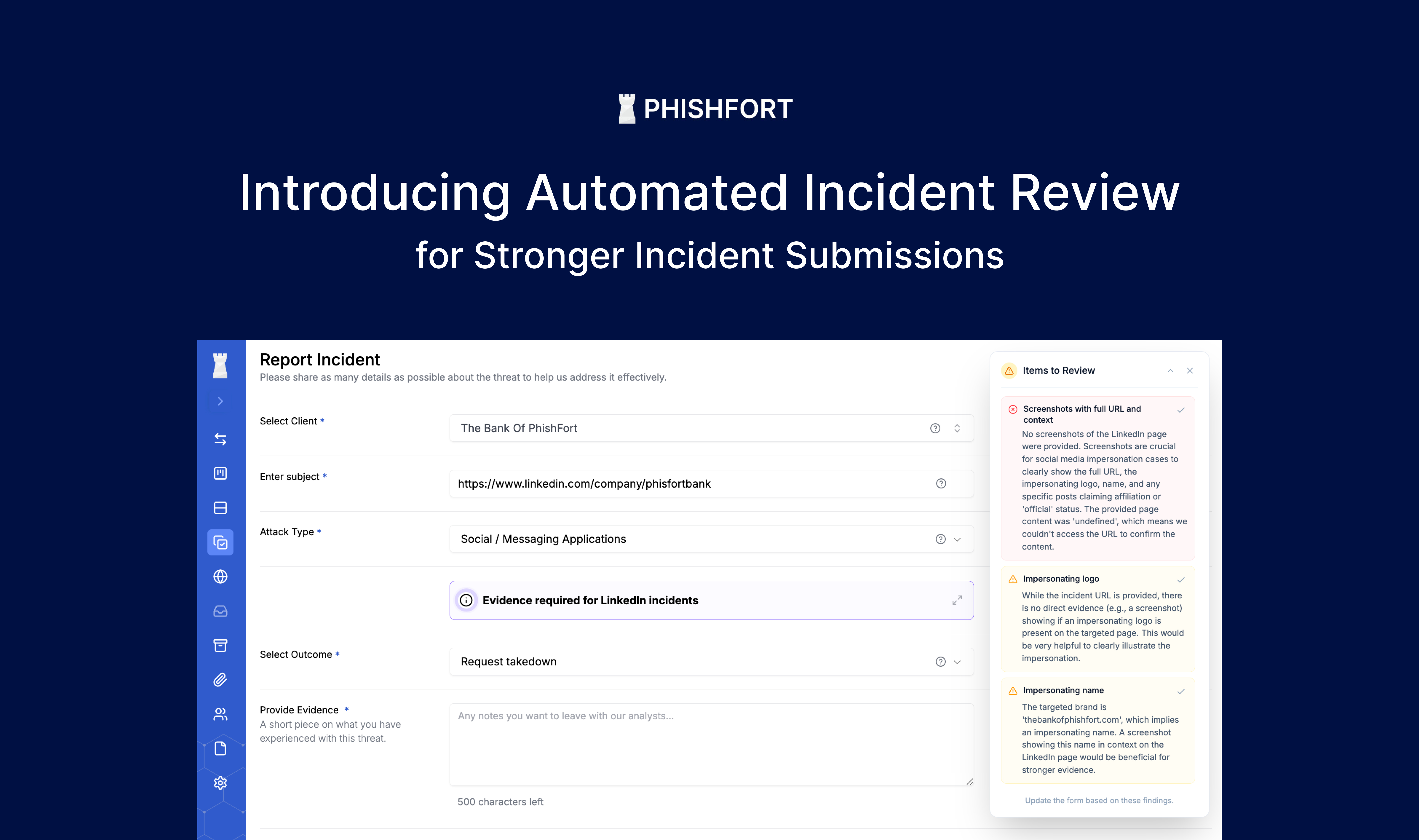
Automated Incident Review provides real-time guidance during incident reporting, helping ensure all required information and evidence is captured before submission for faster takedowns.
Read more: Introducing Automated Incident Review: for Stronger Incident Submissions
Domain-related takedowns often fail for reasons ranging from weak evidence to policy limitations. Learn the most common failure points and how to avoid them.
Read more: The Nuance of Takedowns: Why Domain-Related Takedowns Fail
Learn how phishing takedowns work — from detection to domain suspension
Read more: Phishing Takedown Process Explained | PhishFort
Modern Phishing Techniques explained through 8 examples, including clone phishing, social media scams, extension attacks, and website detection strategies to help you spot and stop threats.
Read more: 8 Ways Attackers Use Modern Phishing Techniques — And How to Detect Them
Learn how Crypto Phishing Scams work through 5 essential strategies, including DEX attacks, wallet recovery scams, hardware wallet risks, Bitcoin Core phishing, and how to spot threats in Web3 environments.
Read more: 5 Essential Strategies to Understand and Prevent Crypto Phishing Scams
Hackers target Gmail users via Google Calendar phishing emails by abusing .ics invites to bypass filters. Learn how the attack works and how to reduce risk.
Read more: Hackers Target Gmail Users via Google Calendar Phishing Emails: What You Need to Know
Understanding how domain suspension works is crucial for managing takedowns effectively. Learn the 7 key factors — domain name, age, context, registrar, and more — that influence when and how a suspension is issued.
Read more: Domain Suspension Factors Explained | PhishFort
Learn how to check if website is down using DNS lookups, HTTP error analysis, and domain hold checks. A complete technical guide for SOC teams, CISOs, and IT professionals to diagnose and fix outages efficiently.
Read more: How to Check If a Website Is Down: 7 Technical Reasons and How to Investigate Them
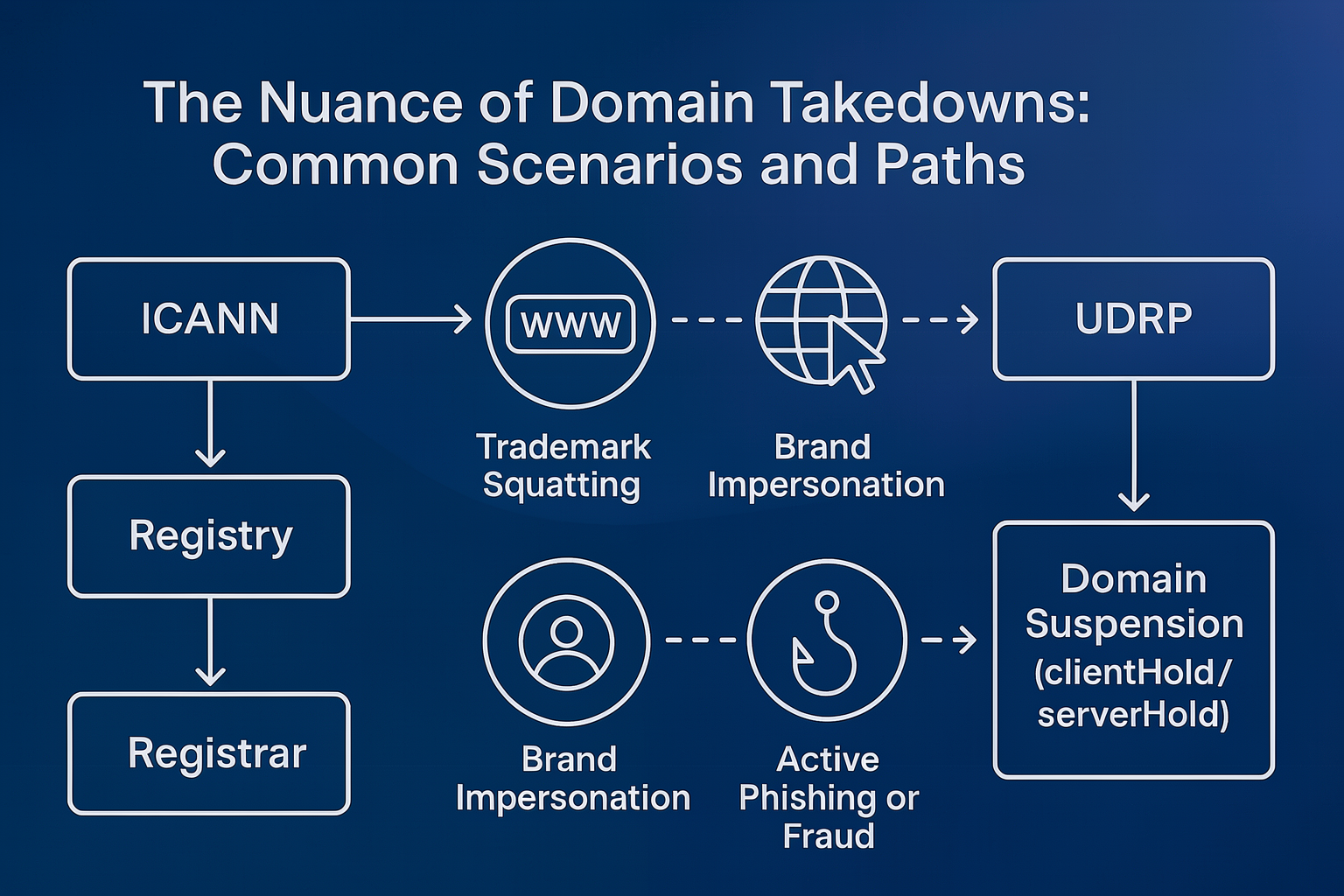
Learn how domain takedowns really work — from UDRP and DMCA to DNS abuse. See common scenarios, who to contact, and practical steps to protect your brand online.
Read more: The Nuance of Domain Takedowns: Common Scenarios and Paths
PhishFort's new Dark Web Monitoring module provides corporate domain visibility into leaked credentials, corporate email exposures, and early indicators of compromise across underground channels.
Read more: Dark Web Monitoring — Release Notes
PhishFort's Dark Web Monitoring detects leaked credentials and hidden risks. Prevent data breaches before they escalate.
Read more: See in the Dark: Announcing PhishFort's Dark Web Monitoring
A phishing campaign spoofed Bitcoin Core v30.0 with fake domains and malicious downloads. Learn how PhishFort detected and neutralized the threat
Read more: Bitcoin Core Phishing Campaign: PhishFort Blocks 3 Critical Threats
This guide will walk you through what a DMCA takedown process consists of, why it’s important to organizations, and how to begin the process.
Read more: The Ultimate Guide to DMCA Takedown Requests
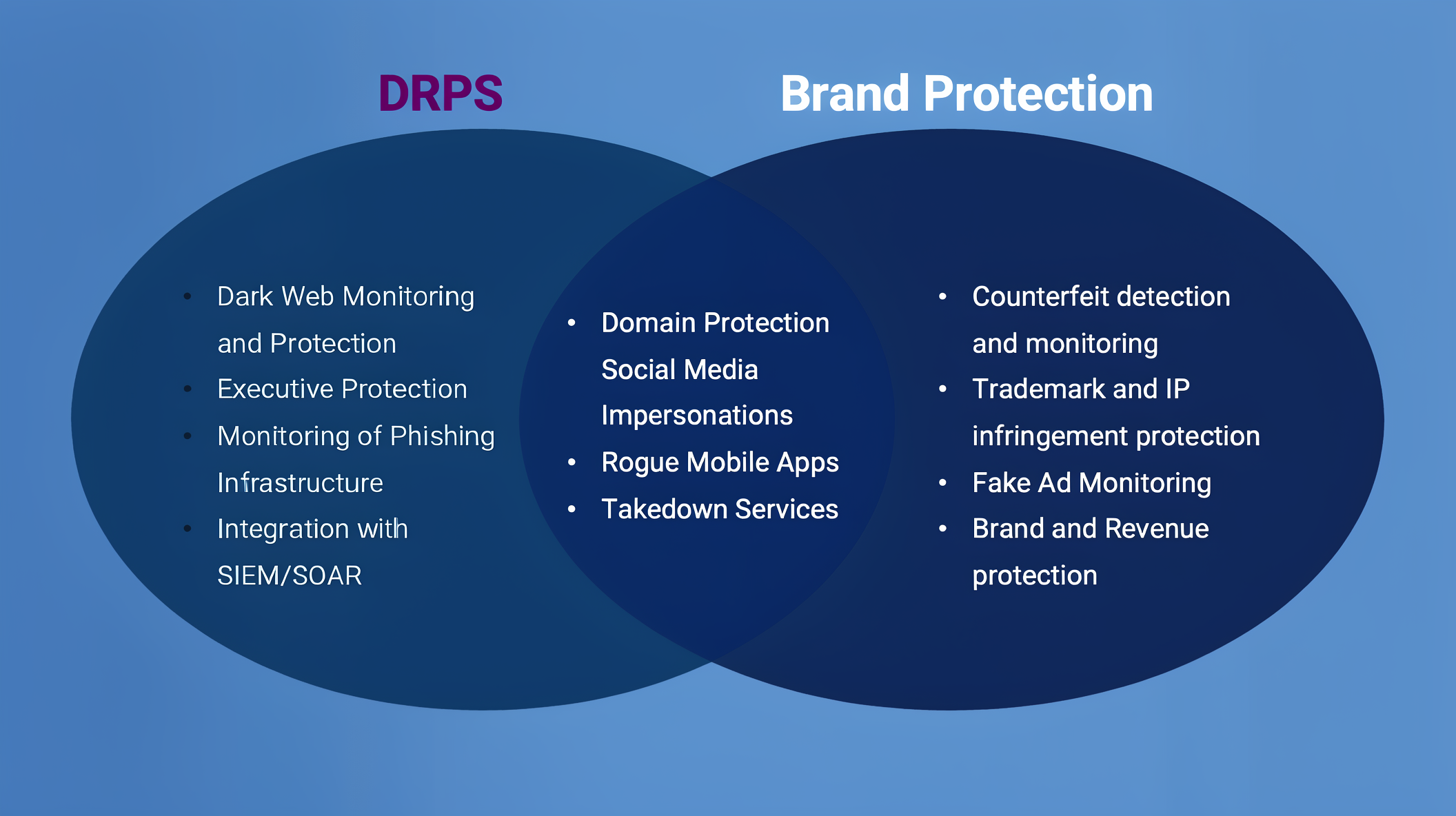
When security leaders and brand managers speak about "digital risk", they are referring to different things between DRPS vs brand protection
Read more: DRPS vs Brand Protection: A Simple Guide
PhishFort now shares verified threats with Spamhaus, enhancing security as spamhaus partners to protect billions from phishing attacks globally.
Read more: Why We Love Sharing: Spamhaus now incorporates our Blocklist
PhishFort's automated threat detection helps businesses stop cyber attacks before they escalate. Discover how our AI-powered security protects your brand in real time.
Read more: Automated Threat Detection by PhishFort: 7 Smart Ways to Stop Cyber Attacks Before They Escalate
Protect your business from fraud and cyber threats with brand abuse detection and online brand protection solutions that safeguard your reputation online.
Read more: Online Brand Protection: 7 Powerful Ways to Prevent Impersonation, Fraud, and Cyber Threats
Learn 7 essential strategies for online brand protection including AI-powered detection, swift takedowns, and comprehensive brand abuse scanning across all digital channels.
Read more: Brand Abuse Detection: How to Prevent Impersonation, Fraud, and Cyber Threats
At PhishFort, security is embedded in everything we do. We're proud to announce our SOC 2 Type II attestation for soc compliance.
Read more: SOC 2 Type II Attestation Secured: PhishFort's Continued Dedication to Security
Learn how phishing detection tools can protect your business from evolving cyber threats. Learn about common phishing tactics, the impact on brand trust, and how robust solutions like PhishFort ensure proactive defense and end-to-end protection in modern cybersecurity.
Read more: Phishing Detection Tools: Essential Solutions for Modern Cybersecurity
Discover top strategies for brand protection to stop phishing and scams. Learn what is brand protection to secure your online presence effectively.
Read more: Online Brand Protection Strategies | Why Inhouse Brand Protection Solutions Struggle
Learn why managing brand protection internally has become increasingly challenging and how organizations can defend against sophisticated global impersonation attacks.
Read more: Brand Impersonation in the Digital Age: Why In-House Efforts Need Support
Secure your online presence — utilize advanced phishing detection to ensure safety with Website Phishing Detection and prevent phishing website threats today.
Read more: 7 Essential Tips for Website Phishing Detection
Secure your online presence — utilize advanced phishing detection to ensure safety with Website Phishing Detection and prevent phishing website threats today.
Read more: Website Phishing Detection | Secure Your Digital Presence
Discover top strategies for effective online brand protection and learn how our Brand Protection Service can help prevent phishing scams.
Read more: Brand Protection Service | Top Strategies for Effective Online Brand Protection
How social media phishing works, the most common attack methods brands and users face, and practical steps to detect and stop it before it spreads.
Read more: Social Media Phishing: 7 Common Attack Methods and How to Stop Them
Twitter's 'Cards' feature vulnerability opens doors for dangerous phishing attacks, highlighting the risks of social media attacks.
Read more: Twitter Phishing Exploits | Deceptive Previews Explained
PhaaS attacks targeting Microsoft 365 pose significant risks — learn how to secure your accounts against phishing as a service.
Read more: PhaaS | Phishing as a Service Targeting Microsoft 365
The United States Drug Enforcement Administration (DEA) lost $55,000 in Tether (USDT) due to an address poisoning scam, highlighting crypto security.
Read more: Crypto Address Poisoning | How the DEA Lost $55K in a Scam
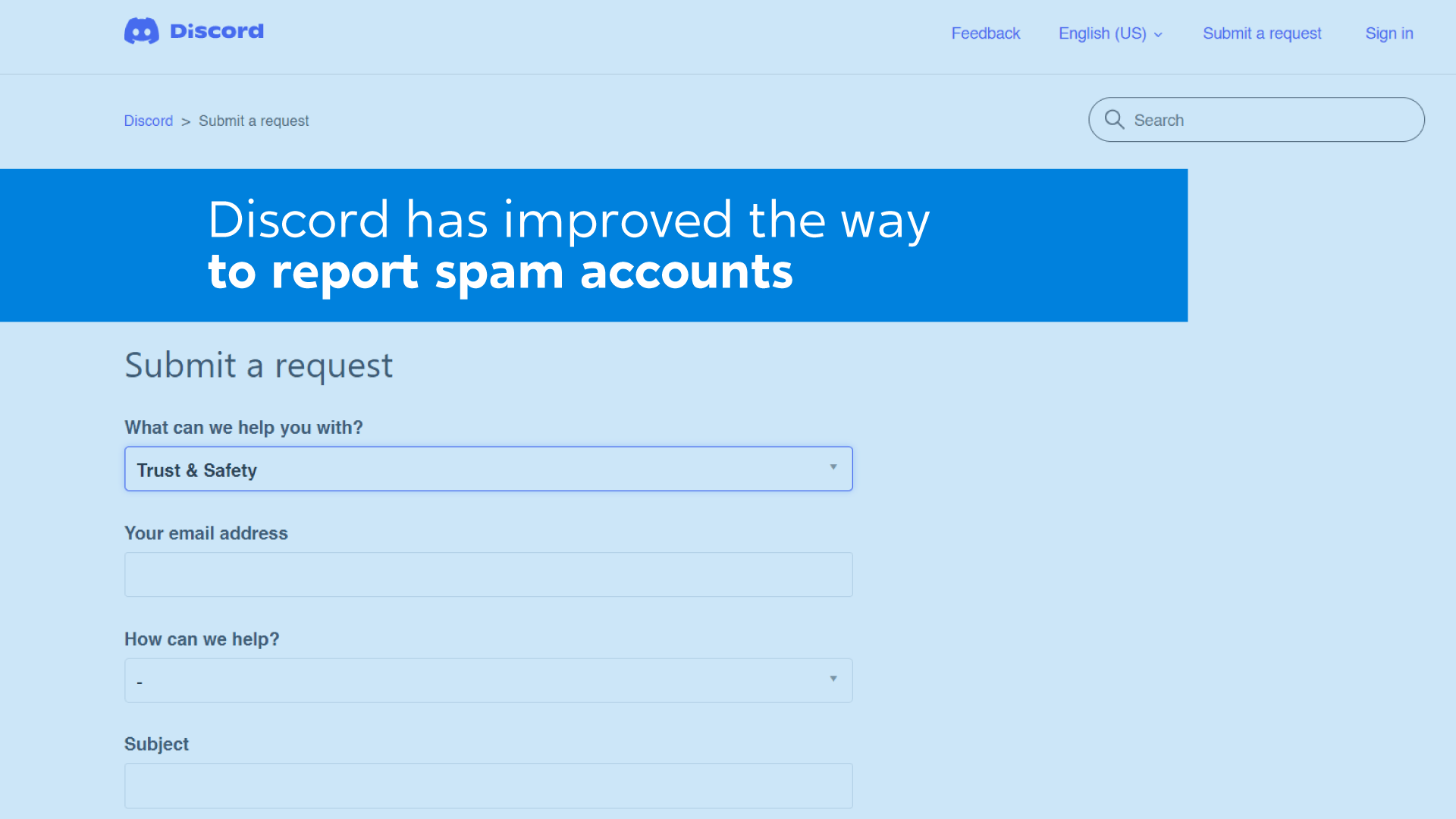
PhishFort strengthens security to safeguard users and businesses on Discord from fraud, particularly against discord spamming tactics.
Read more: Discord Spam Reporting | New Features to Combat Fraud
Learn how to spot and avoid the most common cryptocurrency scams, from fake YouTube giveaways to approval scams on DeFi. Stay protected with PhishFort's anti-phishing insights.
Read more: 12 Common Cryptocurrency Scams and How to Protect Yourself from Phishing and Fraud
PhishFort launches a DeFi anti-phishing service to protect crypto users from scams via Google Ads, social media, fake apps and phishing sites.
Read more: PhishFort Launches DeFi Anti-Phishing Service
Explore what is intellectual property, its protection through trademarks and copyrights, and how PhishFort helps secure your IP online.
Read more: 7 Key Insights into Intellectual Property and How It's Protected Online
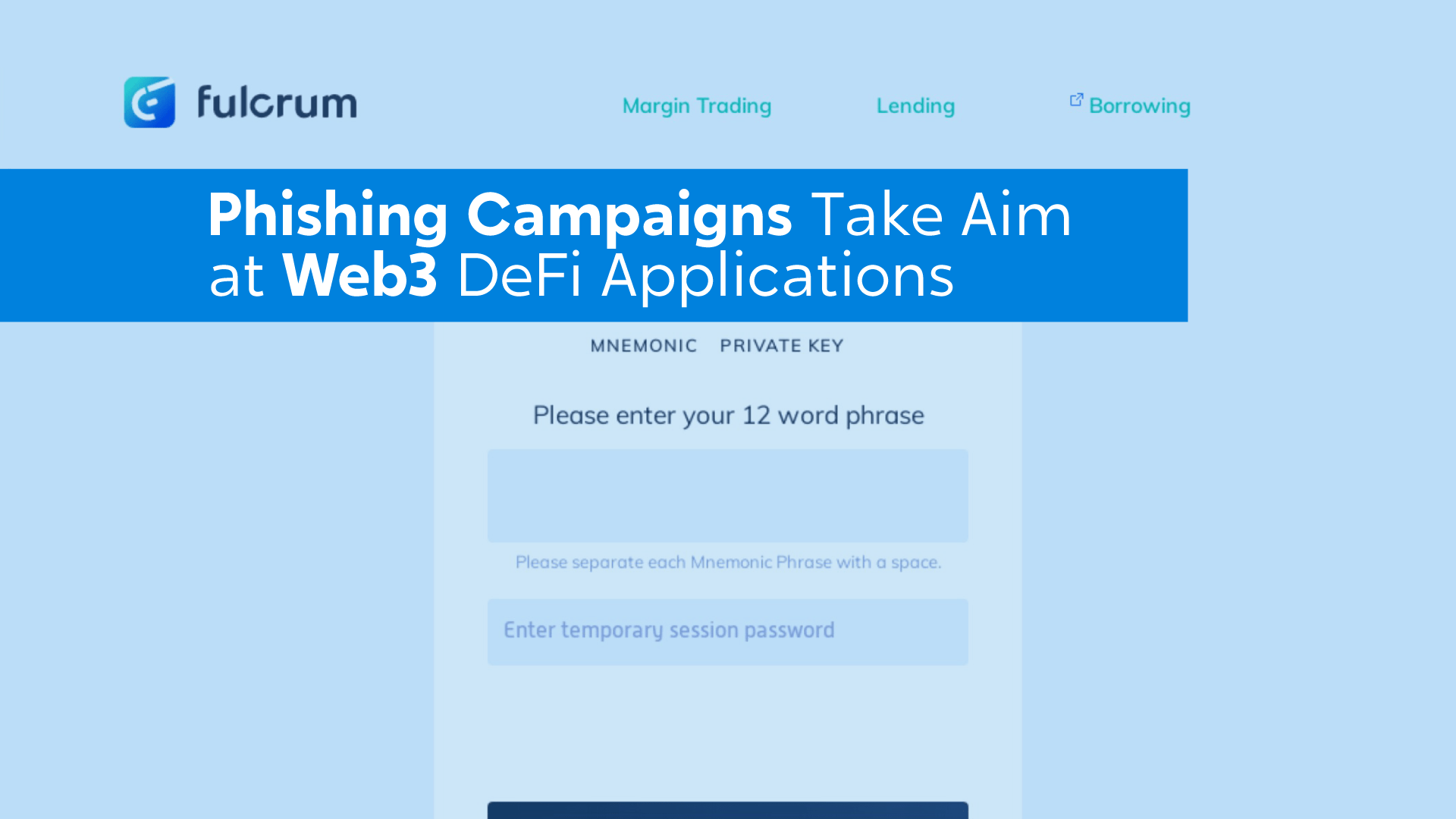
Learn how Web3 DeFi phishing campaigns target crypto users and how PhishFort protects DeFi apps from phishing dapps, fake domains, and malicious actors in the Web3 ecosystem.
Read more: 7 Critical Insights into Web3 DeFi Phishing Campaigns and How PhishFort Protects Crypto Users
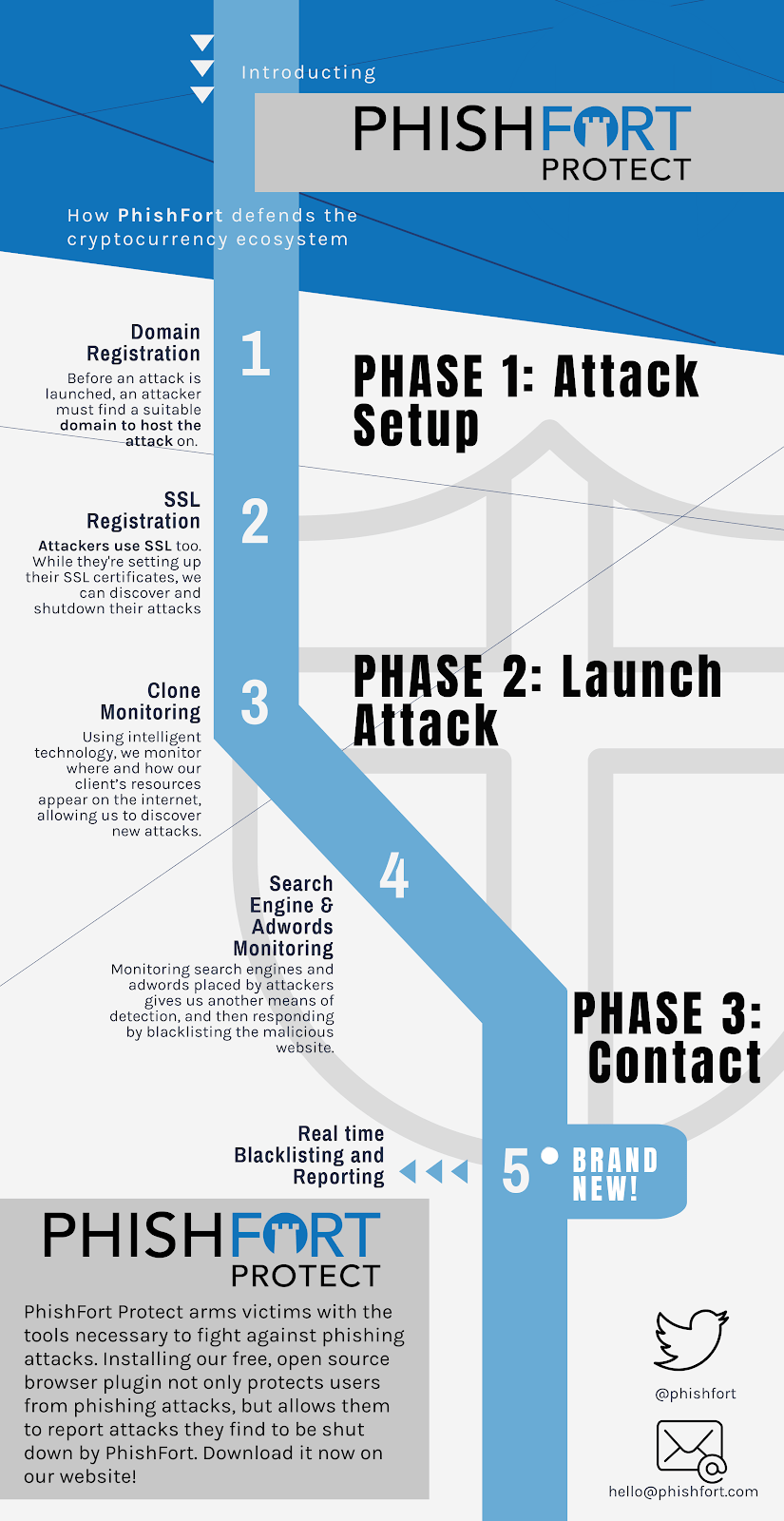
Discover PhishFort Protect — a free browser extension delivering real-time cryptocurrency phishing protection. Learn how it safeguards Brave wallet users from fake sites and scams.
Read more: 5 Ways PhishFort's Free Browser Extension Strengthens Cryptocurrency Phishing Protection
Learn how to protect yourself from Chrome extension phishing with PhishFort's Nighthawk. Discover how fake browser extensions steal crypto wallets and how PhishFort detects and removes them.
Read more: 10 Key Insights into Chrome Extension Phishing and How PhishFort's Nighthawk Protects You
Discover why the crypto industry is highly exposed to crypto scams, how social engineering attacks exploit risk-seeking users, and how businesses can protect their brands with proactive security.
Read more: Crypto Scams: Why the Crypto Industry Is So Vulnerable and How to Stop Them
Learn what the DMCA is, how it protects your digital content, and how DMCA takedown services can help you remove infringing material quickly and legally.
Read more: What Is the DMCA? Copyright Law Explained | PhishFort
Learn what is the goal of most social media based attacks and why cyber attackers commonly use social engineering attacks to trick users, steal credentials, and damage brands online.
Read more: 7 Reasons Why Cyber Attackers Commonly Use Social Engineering Attacks on Social Media
Web3 Domains phishing is here. Discover how phishers are now exploiting crypto wallets and DeFi tools — and why Web3 users must rethink their security strategies today.
Read more: Web3 Domains Phishing Has Finally Arrived: The Next Big Threat To Crypto Security
Learn the difference between trademark and copyright, why both matter, and how to protect your brand and creative work online with PhishFort’s brand protection solutions.
Read more: Difference Between Trademark And Copyright: How to Keep Your Copyright and Trademark Safe from Copycats
Discover PhishFort’s biggest achievements in 2019, from Binance Labs investment to new anti-phishing tools and TITAN 2.0. See how PhishFort continues fighting online threats.
Read more: PhishFort 2019 In Review: Building Stronger Phishing Protection Solutions
Learn how to avoid copyright infringement and protect your brand from unauthorized use online. Discover practical tips, DMCA steps, and expert support from PhishFort.
Read more: How to Avoid Copyright Infringements & Trademark Infringements Online
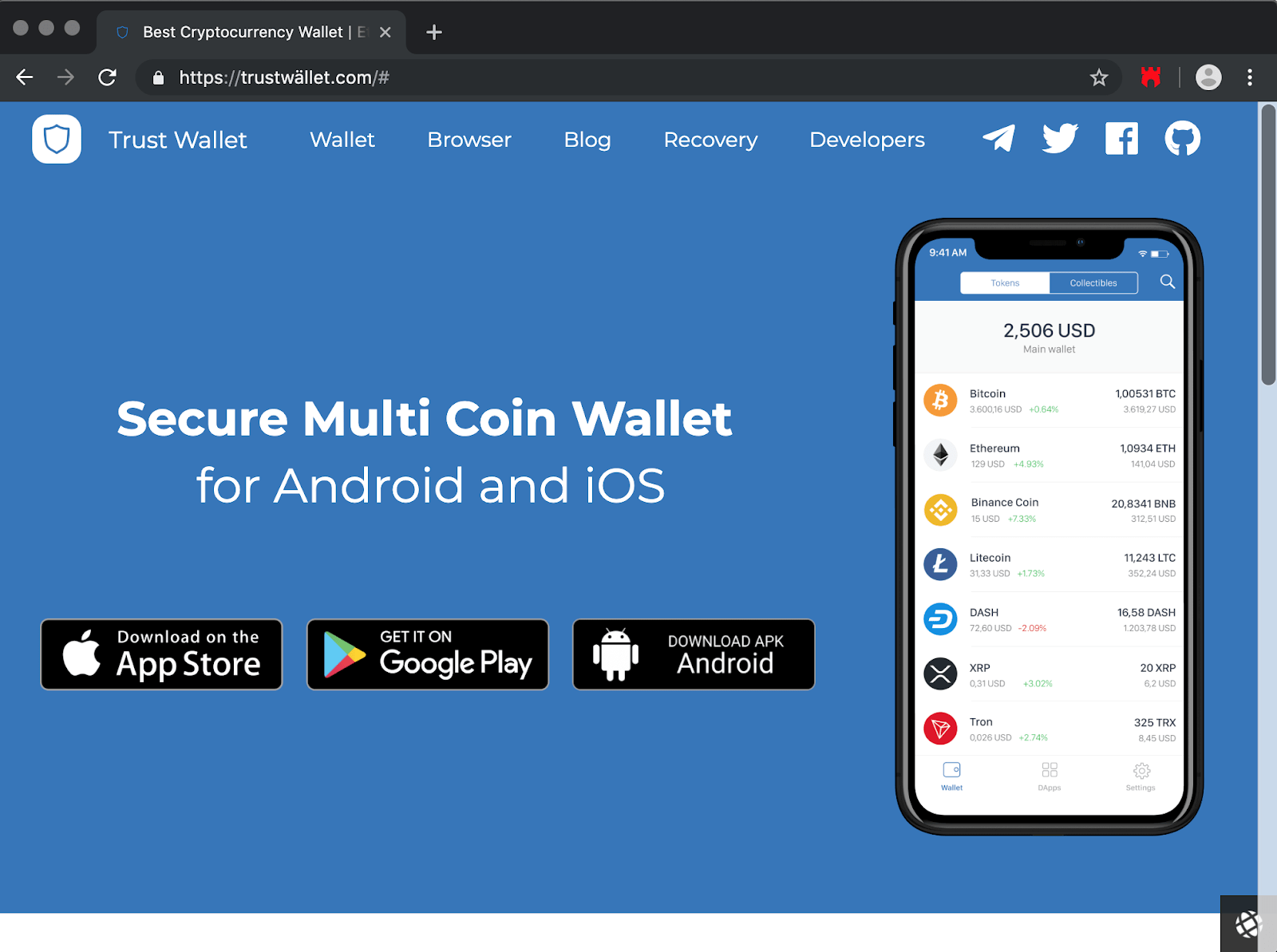
PhishFort detects trustwället[.]com, a phishing clone of Trust Wallet. Learn how attackers steal private keys and how to protect your brand and users.
Read more: Phishing Clone: Trust Wallet Recovery Service Phishing Attack
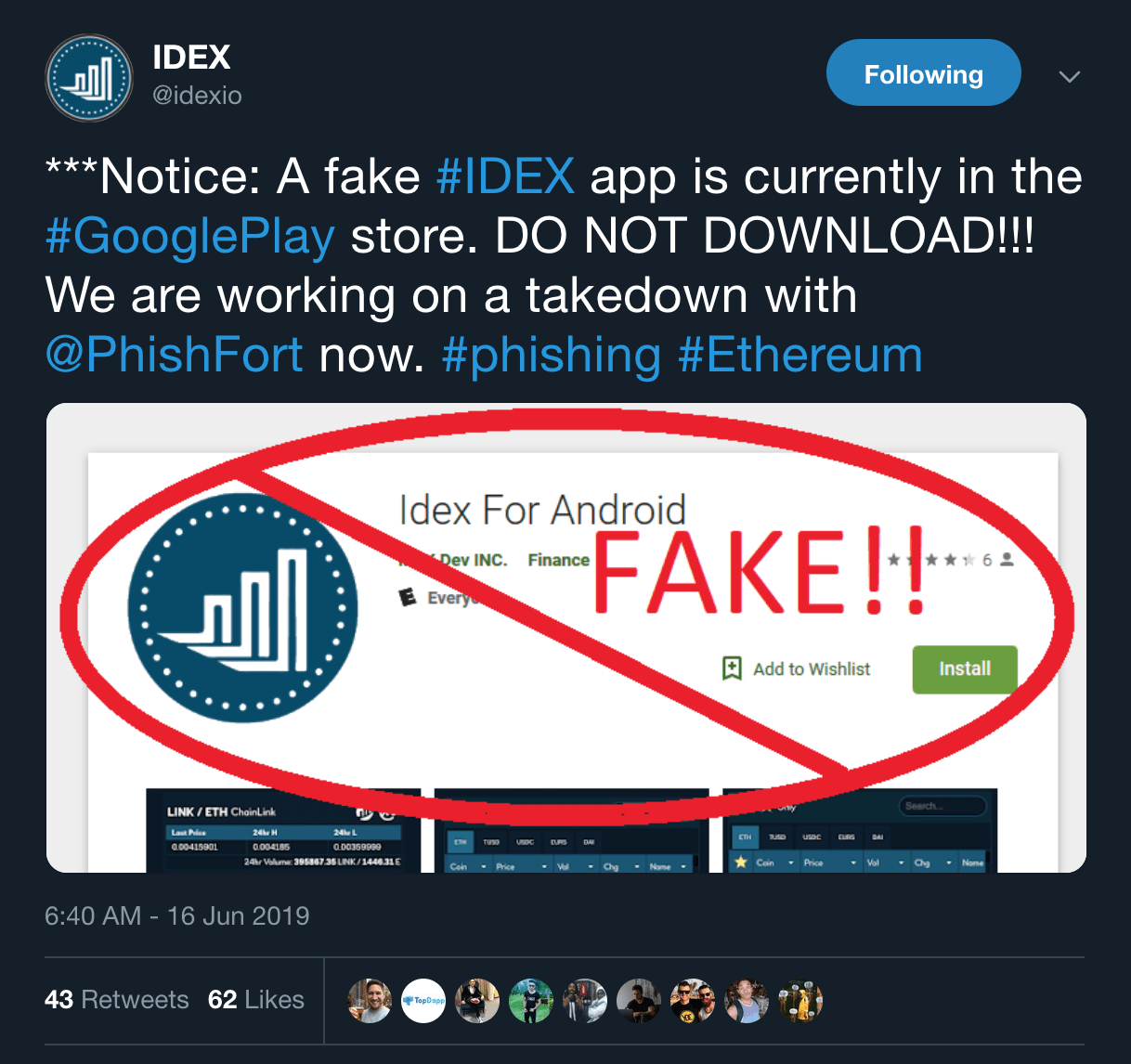
PhishFort uncovers a large-scale DEX phishing campaign targeting IDEX, Binance DEX, and EtherFlyer. Learn how fake mobile apps stole user data and what this means for crypto security.
Read more: Unraveling a Chain of Dex Phishing Attacks
PhishFort and Fortmatic team up to protect Web3 dApps from phishing attacks. Learn how this partnership enhances crypto security, user trust, and safe authentication for decentralized apps.
Read more: Fortmatic and PhishFort Team Up!
PhishFort and Binance Labs join forces to make crypto safer. Discover how this investment strengthens phishing protection, innovation, and user trust across the global crypto ecosystem.
Read more: PhishFort Teams Up With Binance Labs
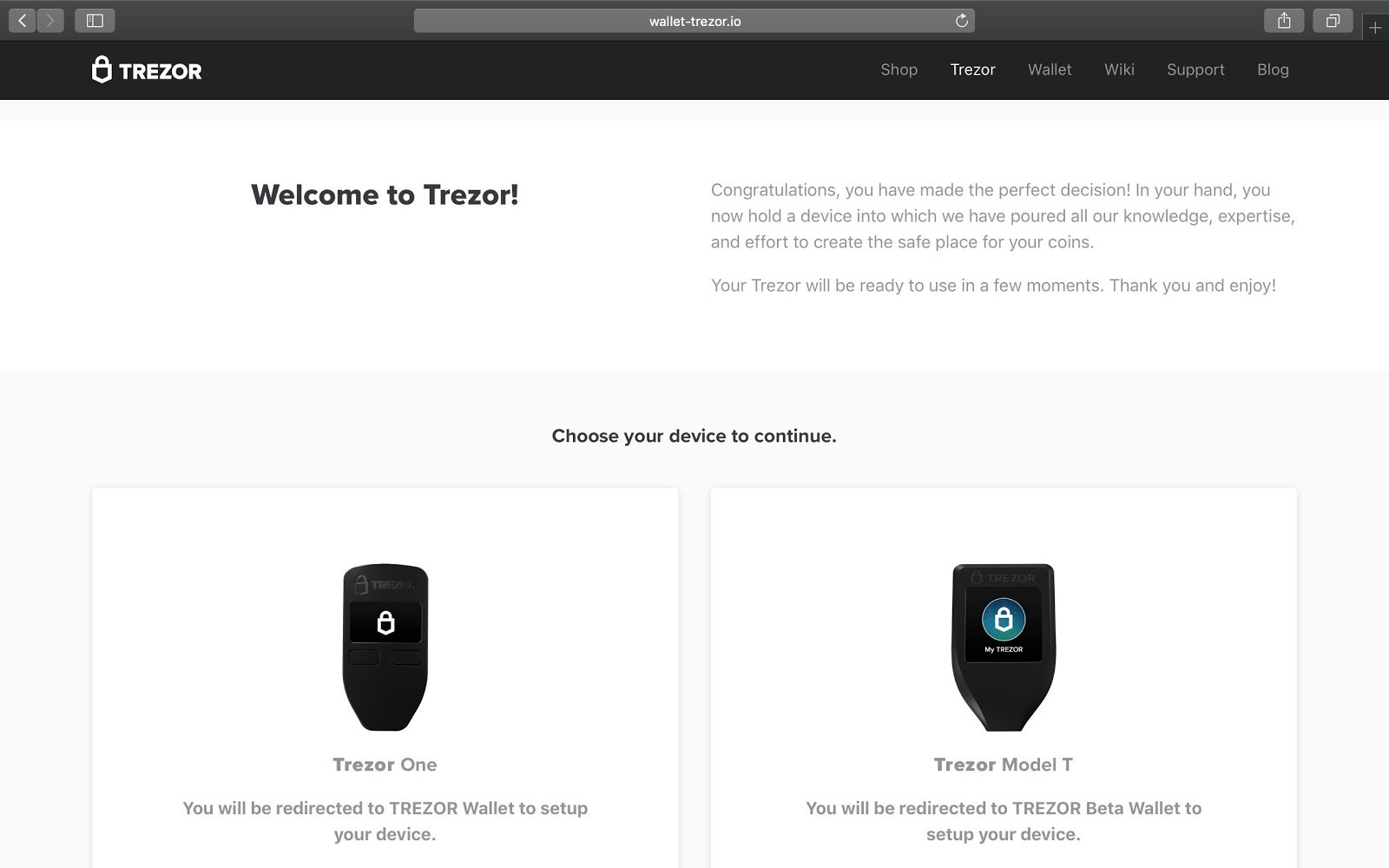
Can a hardware wallet get phished? Learn how phishing kits target Trezor and Ledger users, how these scams work, and how to protect your crypto with PhishFort's tools and train
Read more: Can a Hardware Wallet Get Phished?
Learn how to spot phishing attacks in crypto and protect your digital assets. Discover real examples, expert tips, and tools like PhishFort Nighthawk to keep your crypto safe.
Read more: Phishing Attacks: 10 Powerful Ways to Spot them in Crypto -and Stay Safe Online
PhishFort partners with Paxful, the world's second-largest peer-to-peer Bitcoin marketplace, to enhance cryptocurrency phishing protection and safeguard millions of users worldwide.
Read more: PhishFort Paxful Partnership: to Strengthen Cryptocurrency Phishing Protection
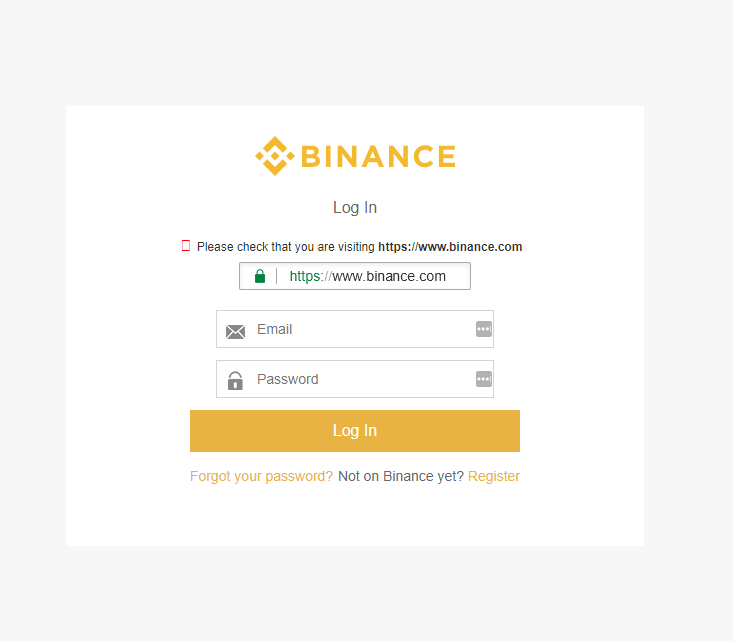
Analysis of two distinct phishing kits targeting Binance users, demonstrating the evolution from basic credential harvesting to sophisticated multi-stage attacks.
Read more: Binance Phishing Kits: A Tale of Two Phishes
PhishFort Nighthawk is a free browser extension designed to fight cryptocurrency phishing in real time. Protect your crypto assets today with PhishFort’s Nighthawk Chrome Extension.
Read more: Free Browser Extension to Fight Cryptocurrency Phishing: PhishFort Nighthawk (2025 Update)
Spot and prevent crypto phishing scams — stay ahead of cybercriminals with expert security advice.
Read more: Spot Crypto Phishing Attacks | Essential Security Tips
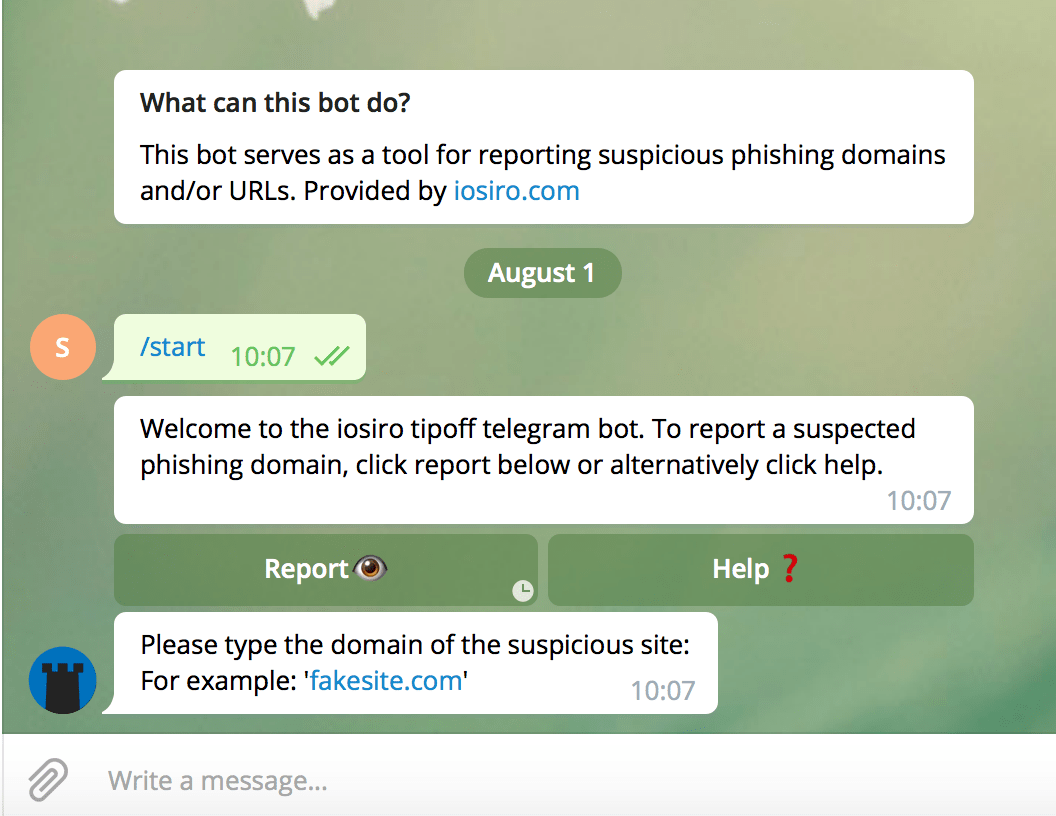
We're excited to release the latest addition to our family of anti-phishing tools for the cryptocurrency industry.
Read more: Report Phishing Scams Faster with Telegram
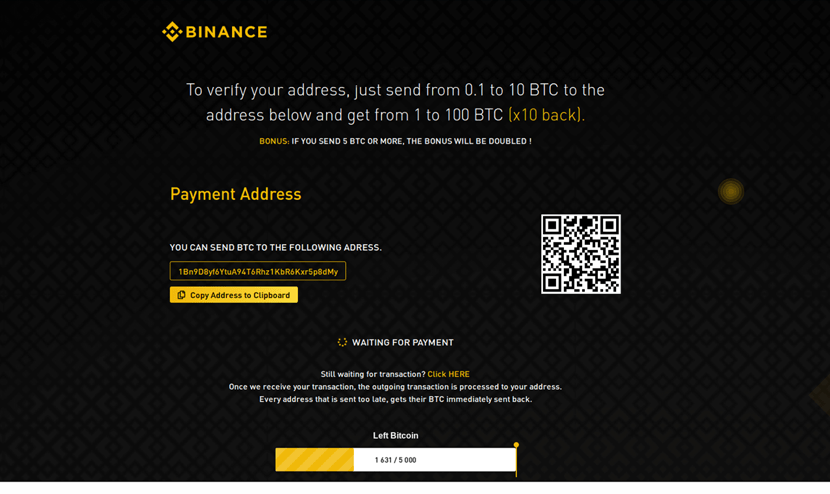
Our early warning systems recently detected a spike in Binance related attacks.
Read more: Binance Scam: Free Giveaway Analysis